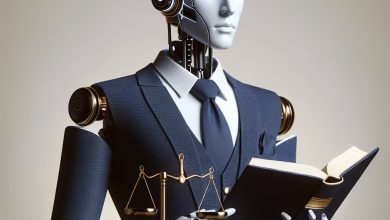
Social Media and Your Legal Career: The Ethics Every African Lawyer Must Know in 2026
Bryan Mens - Legal Africa


In 2026, it’s no longer a question of whether lawyers should be on social media it’s about how they should be there. From LinkedIn thought pieces to X (formerly Twitter) commentary and courtroom updates on Facebook, the modern African lawyer now lives part of their professional life online.
But this evolution also brings a subtle danger: every post, like, or comment could either build your credibility or compromise your career.
When a Click Becomes a Case
In the United States, the American Bar Association recently highlighted a growing number of disciplinary cases where lawyers faced sanctions for social media misconduct. Some had shared details of ongoing cases even without naming clients only to find that confidentiality was breached once someone recognised the story. Others were suspended for angrily responding to client reviews or making reckless remarks about judges online.
These lessons shouldn’t be ignored in Africa. As digital adoption deepens across the continent, and as young lawyers increasingly build their brands online, the line between personal expression and professional ethics is getting thinner.
The African Context: Social Media as a Double-Edged Sword
African lawyers are using social media for everything from client engagement and legal education to activism and personal branding. In Ghana, Nigeria, Kenya, and South Africa, many law firms have turned to digital spaces to attract clients and showcase expertise.
Yet, in this new digital ecosystem, old ethics still apply.
Client confidentiality, decorum, and truthfulness remain the backbone of professional integrity. A tweet that reveals too much, a post written in anger, or a Facebook rant about a judge could easily breach legal ethics and erode public trust.
Unlike the U.S., most African bar associations have not yet codified clear social media ethics rules for lawyers. This absence of regulation creates a grey area but also a responsibility: lawyers must self-regulate with wisdom and restraint.
Digital Competence is Now Legal Competence
The American Bar Association’s Model Rule 1.1 was updated years ago to include “technological competence” as part of a lawyer’s professional duty. In 2026, this must become an African conversation.
A lawyer who does not understand how social media works the reach, privacy settings, metadata, or permanence of a post is already behind the curve. Legal professionals must not only know the law; they must know the digital tools shaping modern evidence, reputation, and engagement.
In today’s world, ignorance of technology is no longer an excuse. It’s an ethical gap.
Mindfulness: The New Code of Conduct
Jan Jacobowitz, author of the ABA article, stresses mindfulness and self-awareness as the key to avoiding ethical pitfalls online. Before posting, ask yourself:
-
Would I say this in a courtroom?
-
Could this reveal client information, even indirectly?
-
Am I posting from emotion or reason?
Sometimes, the best response is no response. The wisest lawyers know that silence can protect not just reputations, but entire careers.
Building an Ethical Digital Culture in African Law
Legal Africa believes that the African legal community must now lead in defining ethical digital conduct. We cannot wait for scandals before setting standards. Every bar association, law faculty, and firm should have a simple but clear social media policy.
Five principles to guide African lawyers online:
-
Confidentiality is non-negotiable. Never discuss cases or clients, even indirectly.
-
Pause before you post. Reflect on tone, timing, and potential impact.
-
Separate personal from professional. Keep your firm’s integrity distinct from your private opinions.
-
Engage with respect. Critique ideas, not people especially judges, clients, or colleagues.
-
Educate your team. Junior staff and interns must understand that your firm’s reputation can be damaged by their online actions.
A Call to the African Bar
As 2026 unfolds, the African legal profession stands at a digital crossroads. We can choose to harness social media for education, thought leadership, and access to justice or allow it to become a trap for misconduct and reputational harm.
Law is built on trust, and trust is fragile in the digital age. The lawyer who understands this who navigates social media with wisdom and restraint will not only survive the times but lead them.